Electric or petrol outboard? The honest comparison
Quiet and low-maintenance, or long-range and powerful? We compare electric and petrol outboards honestly – and tell you which suits which boat.
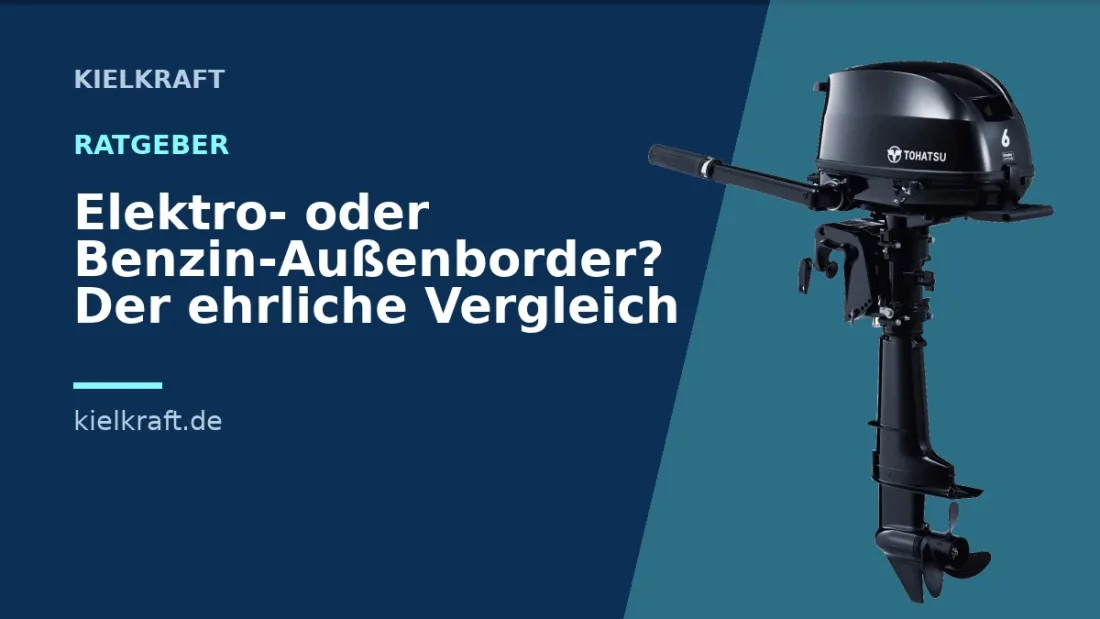
The most important decision when buying an outboard often comes before power: electric or petrol? Both drives have clear strengths. This comparison helps you weigh them honestly – without the marketing noise.
What is the difference?
An electric outboard (such as ePropulsion) turns power from a lithium battery into thrust: quiet, emission-free and nearly maintenance-free. A petrol outboard (such as a Tohatsu 4-stroke) burns fuel and in return delivers high range and continuous power.
Noise and maintenance
This is where electric shines: near silent, no oil changes, no spark plugs. Modern 4-strokes are far quieter than old 2-strokes, but they do need regular servicing and the occasional oil change.
Range and power
Petrol wins on long tours and on the plane – refuelling takes minutes. Electric is battery-dependent: ideal for calm waters, tenders and sailing yachts, and you can extend range with spare batteries. If you regularly cover long distances, petrol is the more relaxed choice.
Weight and handling
The lightest electric motor weighs only around 7.7 kg and fits in any car boot. Petrol engines start at about 18 kg. For boats that are set up and taken down often, weight is a real argument.
Cost
Electric has the higher purchase price but very low running costs. Petrol is cheaper to get into (from €899), but fuel costs add up. Over the years the two converge – the maths depends heavily on how you use the boat.
Which one suits you?
- Tender, sailing yacht, calm lakes, value quiet → electric
- Tours, planing, lots of range → petrol
- Not sure? Our buying advisor recommends a concrete model in two minutes.
Conclusion
There is no "better" – only a "better fit". Electric wins on quiet, maintenance and weight; petrol on range, power and entry price. Both drives are official new goods with manufacturer warranty here.
FAQ
Is an electric outboard powerful enough?
For tenders, inflatables, fishing boats and as auxiliary drive on sailing yachts, yes. For sustained planing of large boats, petrol is usually the better choice.
How far can I go on an electric outboard?
Range depends on battery, speed and boat. At a moderate pace one charge is enough for relaxed trips; spare batteries increase the range.
Can Tohatsu engines be used without a licence?
In Germany, boats with engines up to 15 hp are licence-free on many waters – regional exceptions and conditions apply. Please check the rules for your area.
Not sure which model fits?
Our buying advisor recommends a concrete model in two minutes.
Buying advisor